Feldfux Dash.
Feldfux dashboard — eCommerce website Dashboard
Creative Direction
UX / UI
Mobile App Design
Feldfux
2023
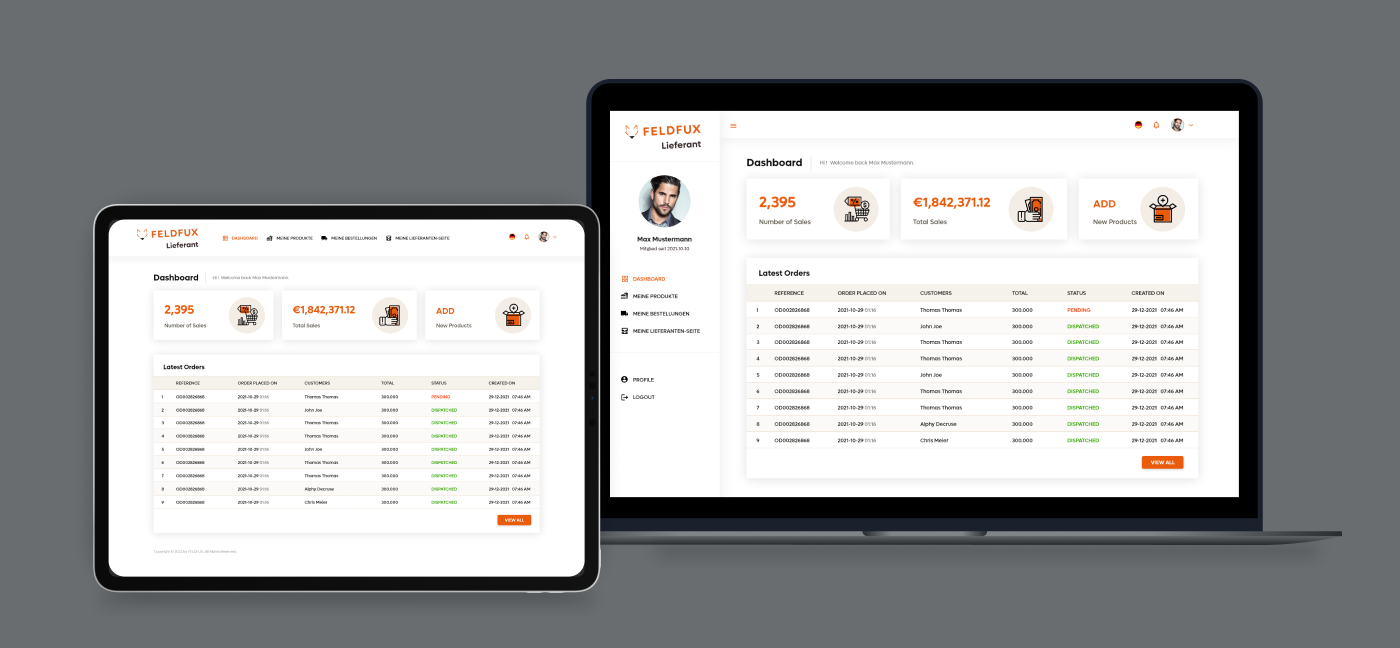
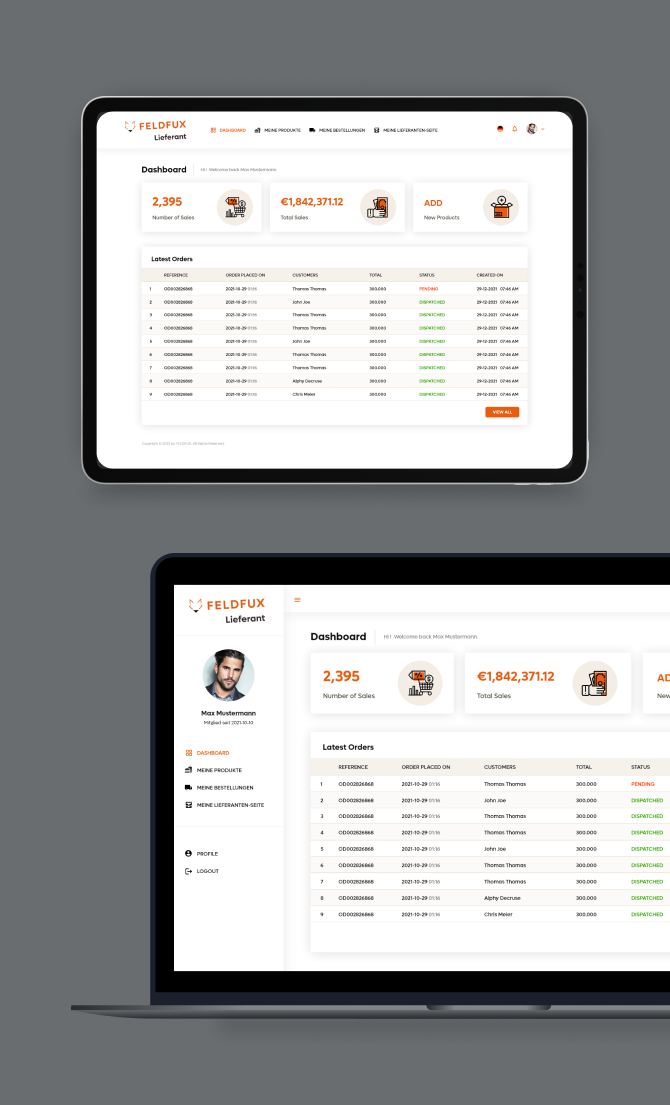
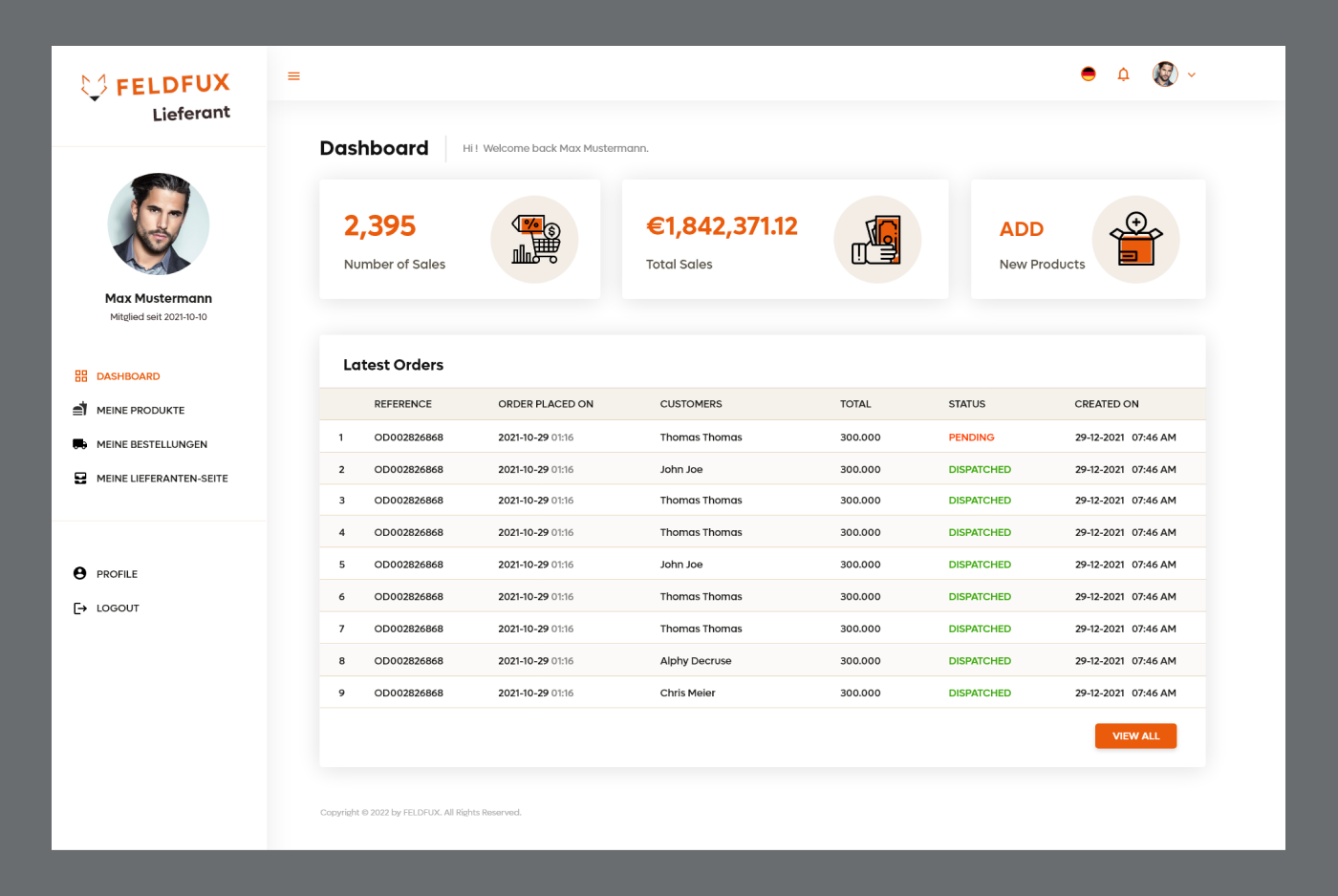
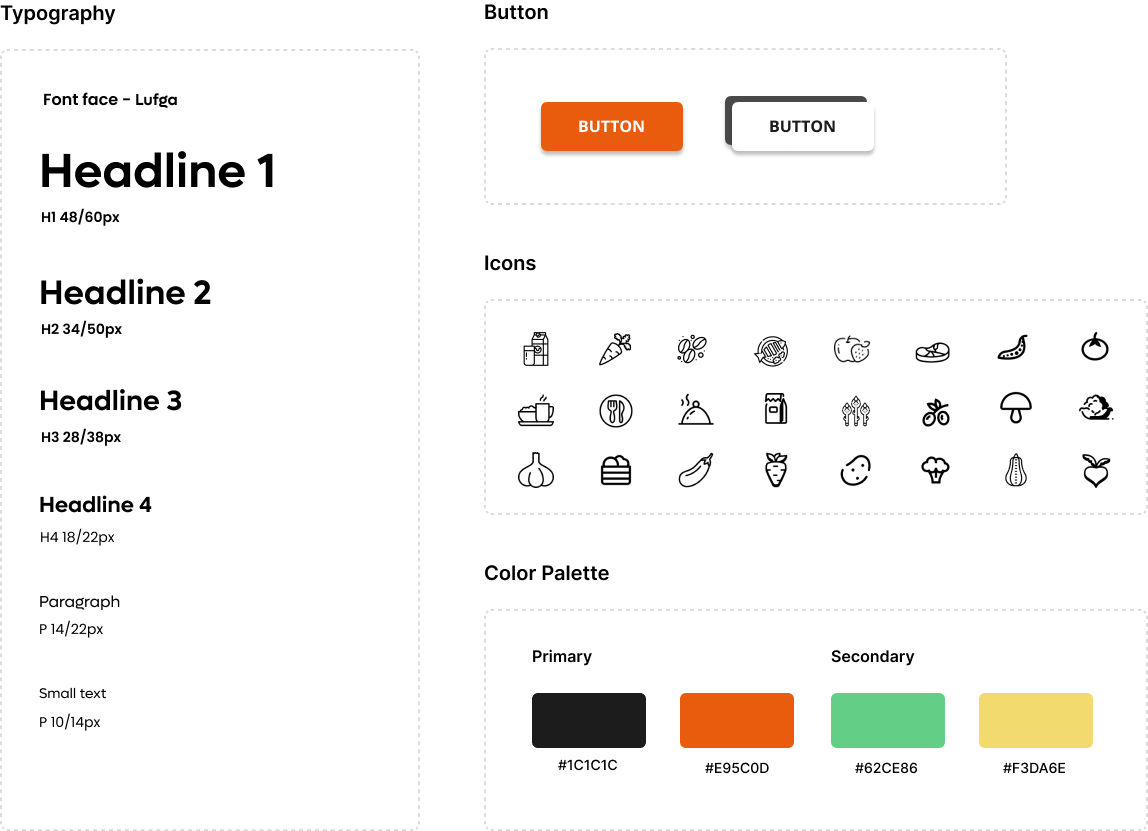
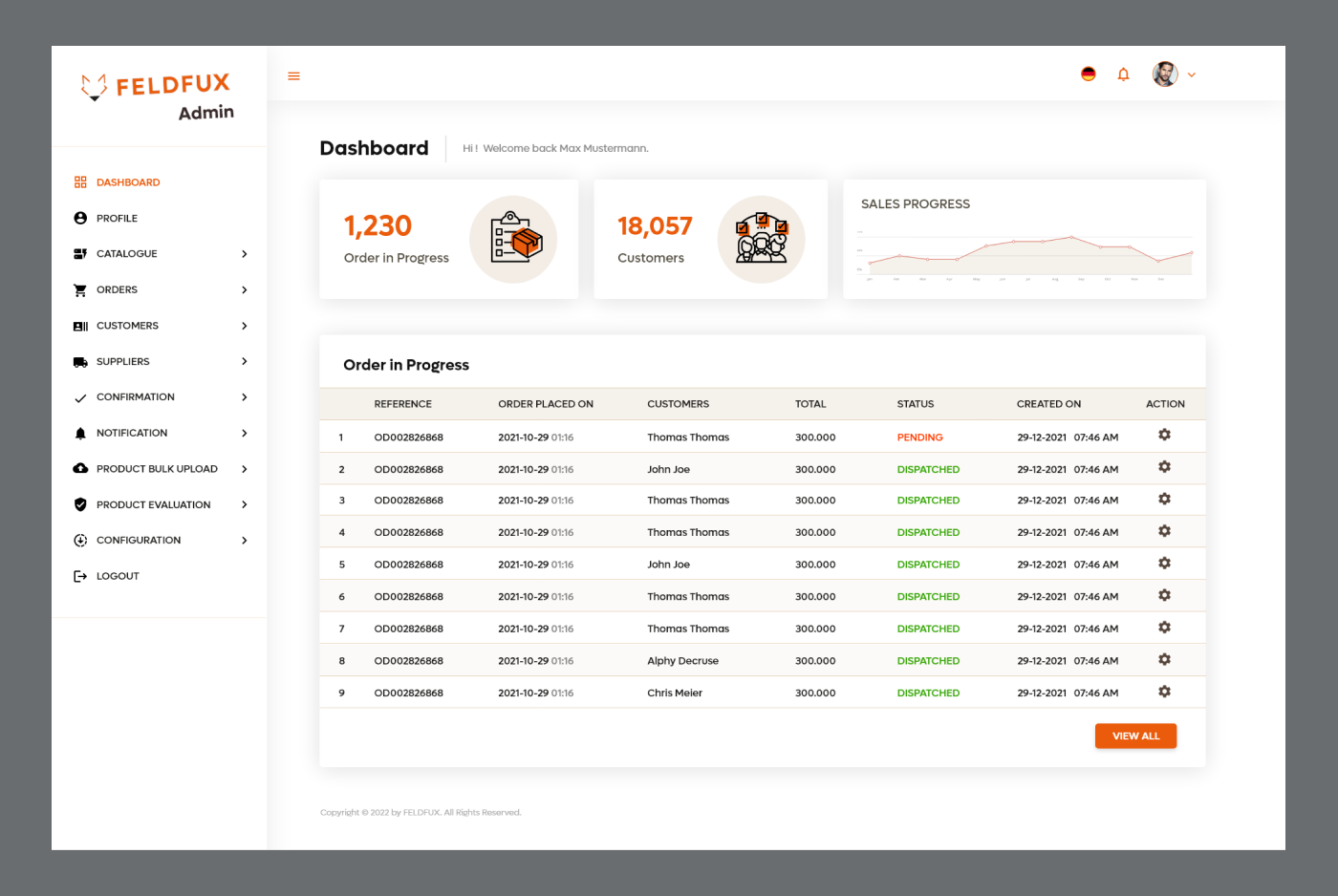
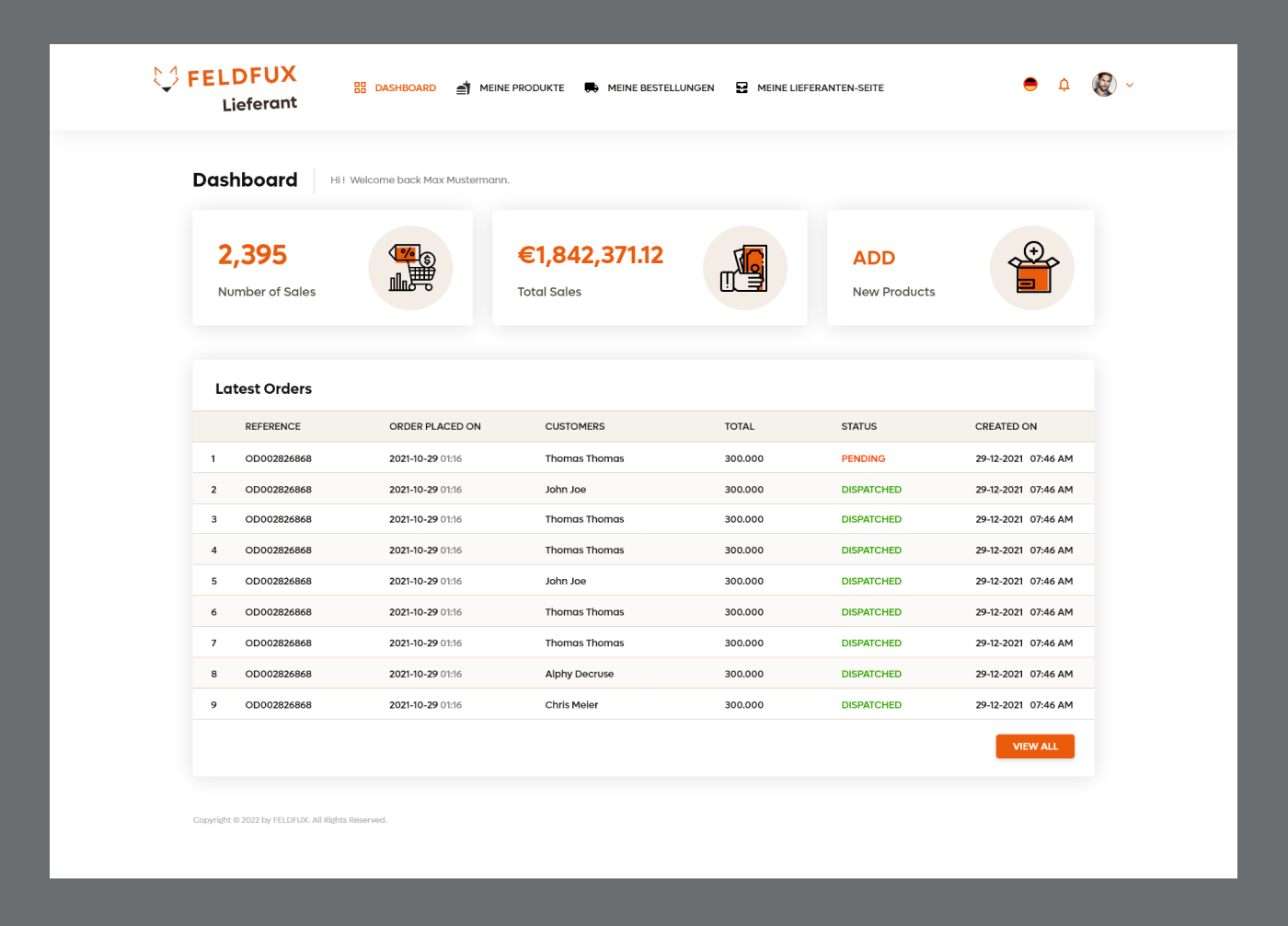
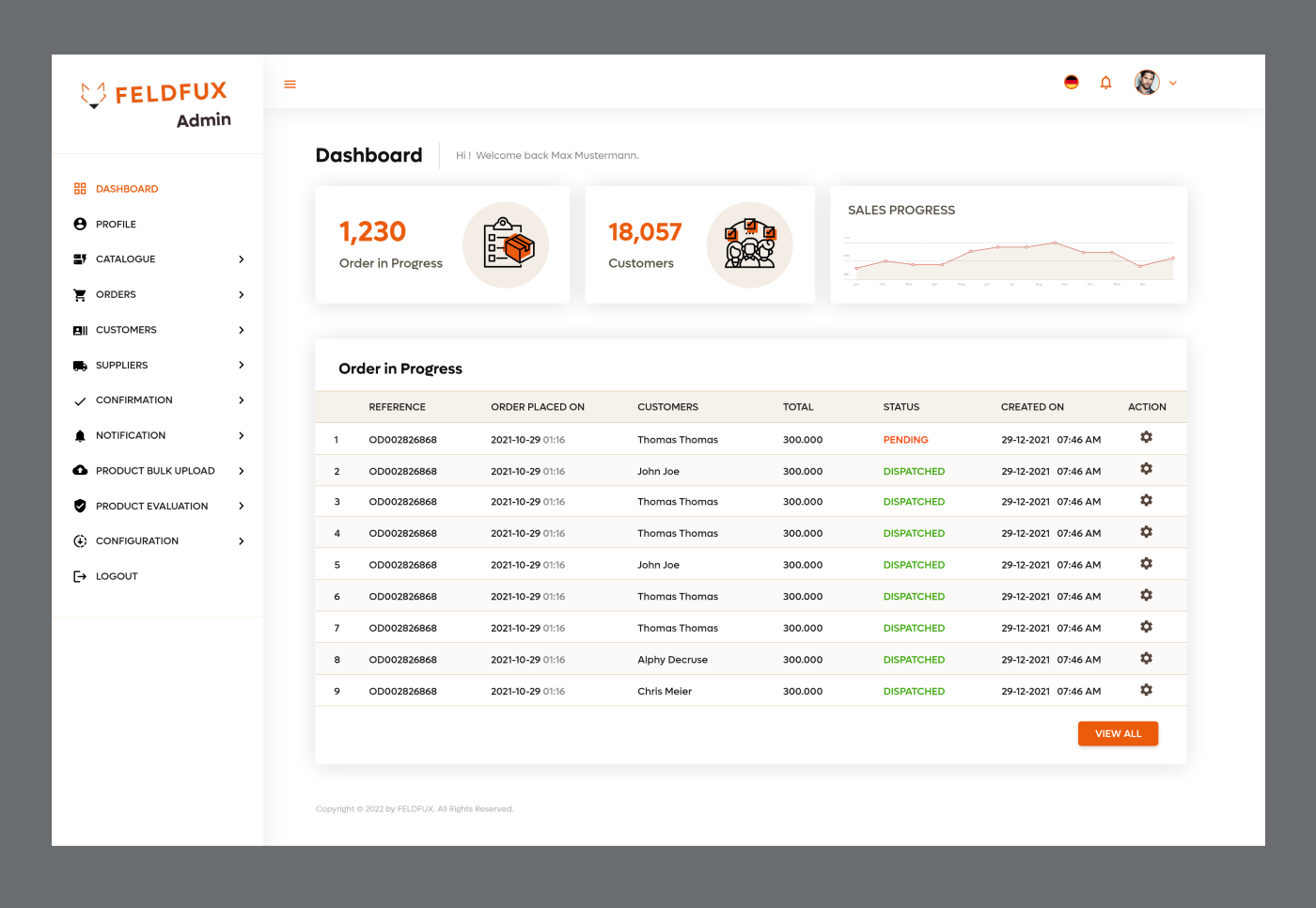
The Feldfux eCommerce website dashboard was developed to provide a robust and intuitive backend interface for managing a diverse range of products, orders, and customer interactions. This project aimed to streamline the administrative processes for online store operators, enhancing their ability to oversee inventory, monitor sales, and analyze performance metrics effectively. The dashboard was designed with a focus on user experience, offering a clean and organized layout with intuitive navigation that simplifies complex eCommerce tasks.
In addition to core functionalities like product management and order tracking, the Feldfux dashboard offers advanced features such as customer segmentation, automated reporting, and integration with various third-party tools for marketing, logistics, and customer support. These capabilities enable store administrators to gain deeper insights into their business performance and make data-driven decisions.
Key Pain Points:
- Store operators found it challenging to manage a large and diverse product catalog, including tracking stock levels, updating product details, and managing variations, which often led to errors and inefficiencies.
- The existing order management process was time-consuming and prone to errors, with difficulties in tracking order statuses, managing returns and refunds, and handling multiple shipping options.
- The lack of advanced analytics and segmentation made it difficult for administrators to understand customer behavior, identify key trends, and personalize marketing efforts, resulting in missed opportunities for targeted engagement.
- Managing multiple third-party tools for marketing, logistics, and customer support without a unified interface led to inefficiencies and increased the risk of data discrepancies and operational silos.
- The previous dashboard interface was cluttered and unintuitive, causing confusion and a steep learning curve for new users. This hindered productivity and increased the time required to perform routine tasks.
- Implement a user-friendly product management system that allows for easy bulk updates, real-time stock tracking, and management of product variations. Introduce automated alerts for low stock levels and a visual dashboard overview to quickly identify inventory status.
- Develop a streamlined order management workflow that includes automated order status updates, integrated return and refund management, and support for multiple shipping options. Utilize an intuitive interface for quick access to order details and batch processing capabilities for handling high volumes of orders efficiently.
- Integrate advanced analytics tools to provide insights into customer behavior, purchase history, and preferences. Enable customer segmentation based on demographics, purchase patterns, and engagement levels to support personalized marketing and targeted sales strategies.
- Create a centralized dashboard that integrates seamlessly with third-party tools for marketing automation, logistics, and customer support. This unified interface will reduce the need for switching between multiple platforms and provide a cohesive view of business operations, minimizing data discrepancies.
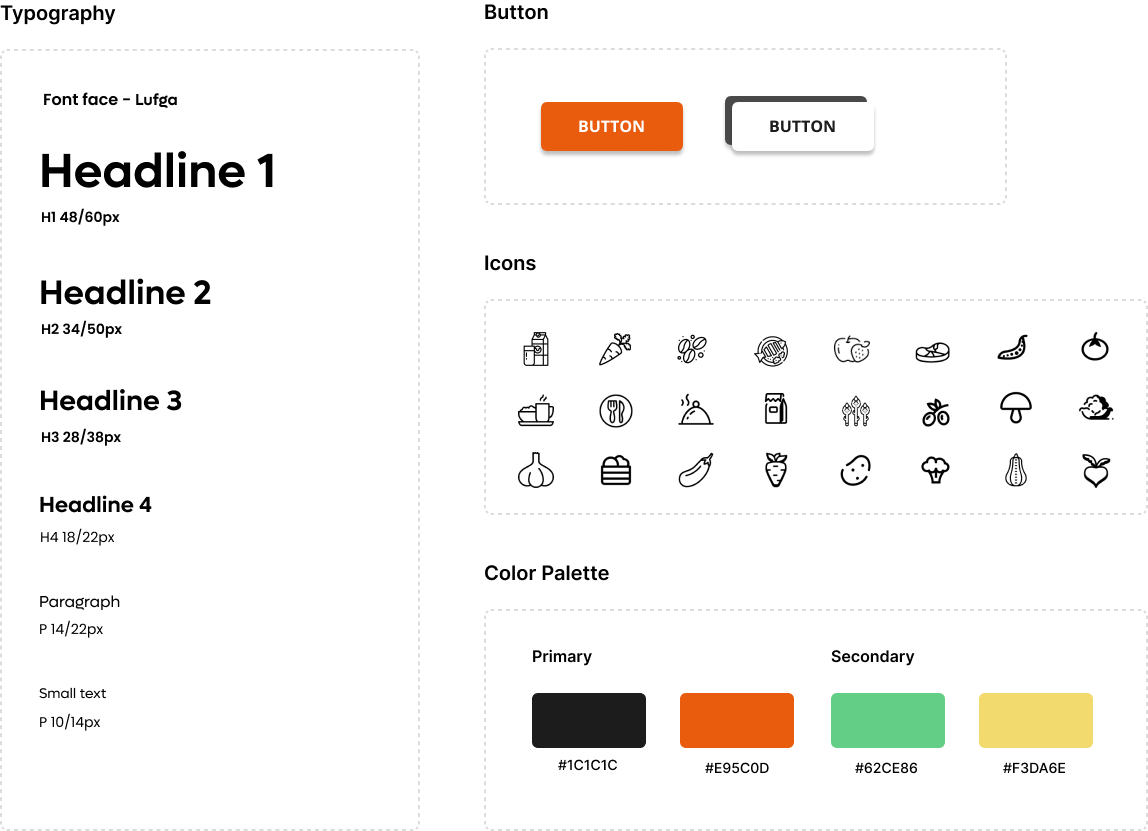
- Redesign the dashboard interface with a clean, modern layout and intuitive navigation. Introduce role-based access control and customizable views to tailor the experience to different user roles and streamline task management. Include tooltips, guided tutorials, and a help center to reduce the learning curve.


Let's collaborate and create something great.
 syam.designer@gmail.com
 +91 9847 865 233


